

What is Dalmatian Cuisine?
Dalmatian cuisine is a variation of the Mediterranean diet. This is logical because Dalmatia covers the Adriatic Sea coast, which stretches from Zadar to Dubrovnik in Croatia.
If you've ever visited the Croatian coast, you've tasted some of the most fragrant fresh vegetables, fruits, and seafood. There's a bounty of verdant greens, including potent herbs such as rosemary, lavender, sage, and thyme. Together with garlic, parsley, and olive oil, these make the spice box of the Dalmatian cuisine.
Meat is also a feature of local cuisine because Dalmatia stretches inland, on the other side of the mountains. This is where green pastures feed sheep and cattle.
Ultimate cookbook of traditional savory Croatian Dishes
This glossy, full color edition boasts: 100 step-by-step recipes, 386 pages, 700 images & expert cooking tips

Mediterranean Influences and Fresh Ingredients
Dalmatian diet recipes are just one of the features of the local ways of eating. What binds us with other Mediterranean countries are specific meals of the day.
People on the coast wake up early to avoid the hottest part of the day. At about 11 a.m., they eat marenda, a type of brunch. Anything from fried small fish to homemade bread with pršut (prosciutto) and hard cheese (think: paški sir) will replenish the calories.
Lunch during the week is often light, something you can eat from a deep bowl with a spoon. Favorites in this category include brudet (brodetto; fish stew) or shellfish made in the busara style (škampi na buzaru, dagnje na buzaru). Weekends call for grilled fish or meat. Whatever is available gets thrown na gradele (on the grill) and served with steamed greens, such as blitva.

Typical Dalmatian lunch: brudet (fish stew).
Weekends are also perfect for baking. Dalmatian desserts use basic ingredients, including locally grown fruits and nuts. Many feature dry figs, raisins, and almonds, and they make good use of local rakija. Especially for fried dough, such as fritule and krostule. One famous sweet is rožata, a custard pudding or crème caramel from Dubrovnik.
When it's time for dinner, don't expect fireworks. In Dalmatia, evening meals consist of lunch leftovers. If the guests are invited, bread and charcuterie are a must, and so is the house wine.
Popular Dalmatian Seafood Delights
The Adriatic Sea is famous for its abundant and flavorful seafood. Its high salinity, compared to other seas and oceans, is why Dalmatian dishes have such a deep and potent taste.
There is nothing that lives in the Adriatic that Dalmatians don’t eat. Fresh fish, of course, features in most Dalmatian food recipes. But we also adore mollusks, such as octopus, cuttlefish, and squid. Crustaceans and shells find their way into our pots, too. Especially shrimp and mussels.
Crni Rižot (Black Risotto)
The Croatian version of the Mediterranean black risotto, this cuttlefish delicacy is a Dalmatian dish you either love or hate. The only reason why some people ignore it is its black color.

But seeing a black blob on your plate takes some time to get used to. The moment you engage your taste buds, you'll understand that the black cuttlefish ink makes this dish so delectable. It's creamy, aromatic, and briny—a sea incarnate.
Wash down this traditional Dalmatian dish with a glass of white wine. It also helps clear the black color from your tongue.
Hobotnica Ispod Peke (Octopus Under the Bell)
Hobotnica ispod Peke is usually prepared on weekends or during feasts. The peka roasting technique takes time and access to a large hearth, so we always wait for the right occasion.

Roasting under a cast-iron lid makes food melt-in-the-mouth tender. During this time, all the juices come together and bathe the octopus in a rich medley of aromas. You can taste the sea, herbs and aromatics, wine, and smokiness from the embers.
Salata od Hobotnice (Octopus Salad)
In this recipe, we love the al dente taste of the octopus. Its meat is slightly chewy but also velvety at the same time. In Dalmatia, octopus salad can be made with or without potatoes.

It depends on how many people are coming for dinner. For large parties, boiled potatoes bulk up the dish. You might think that adding potatoes will somehow lessen the dish's flavor. But the effect is just the opposite. The entire bowl gets infused with the sea fragrance. There is more to eat, and the potatoes add their creamy, starchy magic.
Adding olive oil and kvasina (red wine vinegar) is the traditional way of seasoning our octopus salad.
Gregada - Dalmatian Fish Stew
Gregada is a shaken-not-stirred one-pot delight—Dalmatian cooking at its best. It's a celebration of fresh white fish, no matter how small. When we grill fish, it needs to be of prime quality, but Gregada is a bomb of flavors, even with the cheapest variety of fish.

Hvarska gregada (from Hvar island) boasts incredibly complex aromas. Shrimps and prawns go to the pot, too. But the foundation is a special paste made of capers, sun-dried tomatoes, and salted anchovies.
Lignje na Žaru (Grilled Squid)
When it comes to traditional food along the Dalmatian coast, nothing beats grilled squid with blitva on the side. This is simplicity at its core, with mouthwatering taste and texture.
Adriatic squid is delightfully meaty, and when grilled to perfection, it stays light and tender. The squid's tentacles are a special treat because they get slightly crunchy. Some people, like me, develop a real zest for this part of the squid.

Škampi na Buzaru (Shrimps in Buzara Sauce)
Of all Croatian food, Škampi na Buzaru is the dish that makes you forget table manners. And that's OK. When you get a plate with langoustines swimming in a rich tomato sauce in front of you, you have permission to eat with your fingers.
Use them to open those juice shrimp tails and to hold the head and claws as you suck out the juices. Finally, lick them clean. Don't waste a single drop of the busara sauce. When Škampi na Buzaru are on the menu, you only need some homemade bread on the side.
Most Important Meat Recipes
The majority of Dalmatia's traditional dishes include seafood. But as a region, Dalmatia also stretches inland. And this is where local ingredients include meat, giving the gastronomy a more robust flair. From Zadar to Dubrovnik, slow-cooked beef and any kind of meat you like roasted under the peka bell are true culinary gems.
Janjetina Ispod Peke (Lamb Under the Bell)
Roasting lamb under the peka bell takes hours to prepare. But this is our age-old technique that turns the meat fall-off-the-bone tender. The potatoes must go in the tray, too. When all the flavors from the meat and aromatics seep into them, they can turn you into a potato addict.

Making peka is a famous traditional cooking ritual. Yes, it's a technique but also much more. Families unite on the peka day; everyone gathers around the hearth and helps with the dish. The final meal is more than the calorific value - it's a symbol of togetherness and prosperity for every family,
Pašticada - Dalmatian Braised Beef
Pašticada is one of those regal dishes prepared for special occasions, such as weddings, christenings, or anniversaries. This slow-cooked beef is not just a dish but a gastronomic experience.
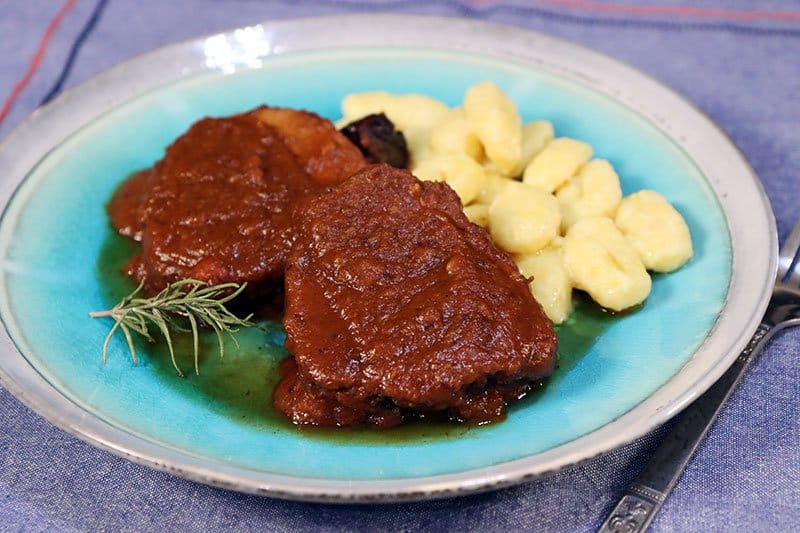
When it comes to the table, the soft slices of beef are dunked in a flavorful sauce with fabulous sweet and sour notes. Pašticada is served with homemade gnocchi and must be paired with a glass of red wine. Think Plavac Mali or Dingač.
Fun fact... If you think all of Croatia's food uses only salt and pepper for seasoning, try cooking Pašticada. You'll need a surprising number of spices, including cloves and nutmeg.
Soups, Desserts and Sides With Dalmatian Touch
Now, we're stepping into the realm of bountiful vegetables, all bursting with incredible Mediterranean aromas. In Dalmatia, the veggies soak up so much sun growing in the open fields.
We use minimal seasoning to prepare these lightly steamed side dishes. All you need is local olive oil, parsley leaves, and some crushed garlic.
Soparnik
Soparnik is a true jewel of Dalmatian cuisine. Our dishes all around Croatia reflect diverse culinary influences, but soparnik has a different story. This flat-dough pie filled with Swiss Chard is native to the villages inland from Omiš. That region used to be part of the historic Poljice Republic, a medieval state that was isolated by surrounding mountains.

As a result, Soparnik is unique, reflecting only local food culture. Firstly, it's naturally vegan, having only Swiss chard in the filling. Secondly, it's baked buried in the glowing embers on the large open hearth. This technique is found only in this part of Croatia.
Once you try Soparnik, the taste stays with you forever. The mellow olive oil and the zing of crushed garlic on the crust will make you forget your name.
Polpete od Tikvica (Zucchini Fritters)
Zucchini fritters are the easiest veggie bite you can make for a midweek lunch. You'll understand why this quick dish is so popular when you see Dalmatian gardens overflowing with all kinds of zucchinis.
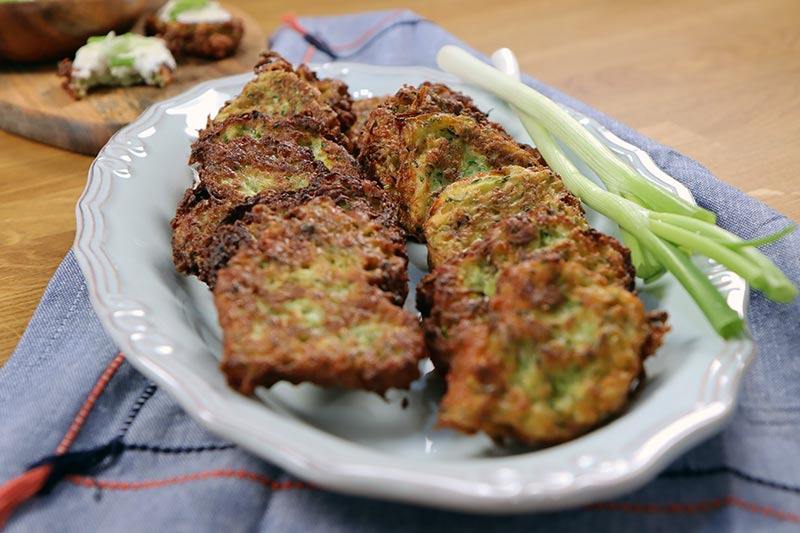
Polpete od tikvica can be a snack, a simple lunch, or a substitute for bread. Plus, children adore them. Remember this trick if you struggle to get your little ones to eat their daily greens.
Juha od Rajčice (Tomato Soup)
Dalmatian tomato soup is a symphony of flavors. Juha od poma or juha od pomidora, as it's locally called, features fresh pulpy tomatoes that ooze with sweetness. In the summer, when all the veggies are ripe, tomatoes play the lead role. But the notes of all other ingredients make this soup so rich and addictive that you can eat it as a main course.

You'll find rice or egg noodles curled inside. One bite, and you'll understand why this soup is usually served with crusty bread and nothing else.
Blitva (Swiss Chard)
The quintessential side dish, blitva, is the healthiest item on the Dalmatian diet menu. We boil it with cubed potatoes and season it with salt, pepper, olive oil, and garlic. This technique is called 'na lešo,'

Other food can be prepared in 'na lešo' style, but Swiss Chard is a classic that accompanies most Dalmatian plates. From grilled or fried fish to meat. If you feel you need to boost your health, cook blitva often. The benefits are amazing.
Punjene Paprike (Stuffed Peppers)
One of the most fragrant summer meals, punjene paprike is on the top three list of Dalmatian food recipes. When stuffed peppers simmer on the stove, the whiffs travel far beyond your kitchen. Don't be surprised if neighbors drop by for a bite to eat. It's hard to ignore the scent of peppers once you get hooked on them.

Stuffed peppers use ground meat as a filling. But the dish contains so many vegetables (peppers, sauce made with tomatoes) that we consider it a healthy lunch option. And it really is.
Skradinska Torta (Skradin Cake)
This flourless wonder cake celebrates the best ingredients you can find in Skradin town, which is close to the Krka National Park. Walnuts, honey, eggs, and rose liqueur come together to create a bouncy but moist sponge. The cake is glazed with chocolate and decorated with flowers.
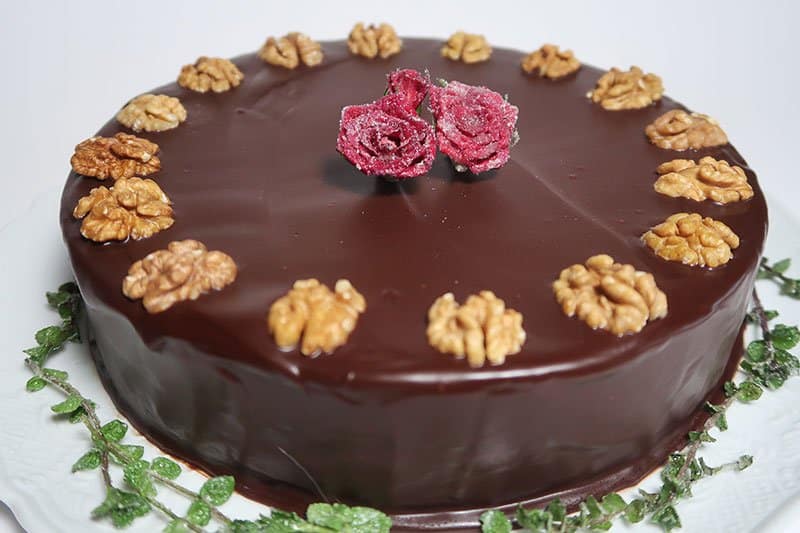
There is a long tradition of gifting Skradinska Torta to the newlyweds. It symbolizes what a married life should be: everlasting and filled with sweet love.
Conclusion - The Essence of Dalmatian Cuisine
Whatever you choose to try from the list above, remember a few eating rules: Share your food with family and friends whenever possible. Have sit-down meals and enjoy your food slowly. Italians are globally known as lovers of la dolce vita, but Dalmatia is also a cradle of easygoingness.
To understand this attitude, read my study of the 'pomalo' state of mind. Finally, go ahead and cook a Dalmatian recipe that first called your name. Let me know how it goes.