
What is Gulas?
A thick and hearty meat stew, gulas is a perfect dish to lift up your spirits and give you an energy boost. Croatians love gulas for various reasons.
First, we love to eat our main course from a deep dish with a spoon. We think anything na žlicu (soupy food eaten with a spoon) has health benefits. And we are not wrong about this.

Second, to get a dish with such a gooey, viscous texture, you must cook everything in one pot. This makes gulas a perfect mid-week food. Once all the ingredients are in, you set your timer and go about your day. 2 hours later, there's a bowl of fragrant tender meat that magically appears.
Finally, gulas is our go-to dish for big get-togethers and celebrations. A large pot of gulas can feed lots of hungry guests. On such occasions, we will cook it outdoors, in a cauldron, and invite everyone to gather around the fire. People will take turns stirring gulas, and lots of white wine will be passed around.

Cooking gulas in a cauldron for a large celebration.
Now it's time to dig deeper into the cooking method and discover recipe variations across Central Europe. This will help you imagine what goulash tastes like.
Different Regional Types of Gulas
Croatian Gulas
Both the dish and the word gulas came to Croatia from neighbouring Hungary. We changed the original Hungarian spelling (gulyás) into gulaš, but kept the pronunciation: goo-lush.
The basic recipe stayed the same. We stuck to beef as the main meat choice, following the word's etymology. Gulyás in Hungarian means a herdsman or a cowboy.

This, however, is not the end of the gulas story. Traditional Croatian gulas can be soupier and include potatoes. Or it can be reduced into a thicker version, served with pasta on the side.
This recipe will teach you how to make goulash with potatoes. It's one of the most frequent lunch menus in Croatian restaurants. Usually served as gablec (brunch), a bowl of this gulas will keep you going throughout the day.
Hungarian Gulyás
There is a special kind of Hungarian gulyás that is very popular in eastern Croatia. We call it čobanac. Here, too, language speaks of the dish itself. Croatian word čoban also means a herdsman, but not exclusively a cowboy.
Čobanac was originally prepared outdoors with the meat that herdsmen procured from the fields. Each man would bring a piece and put it in the cauldron to slowly cook. Over time, čobanac became known as gulas with three types of meat.
The classic čobanac recipe will always include beef, wild boar and pork. Sometimes, pig trotters are added, which makes it extra rich and viscous. Instead of potatoes, čobanac has egg dumplings swimming around in the sticky meat juices.
Czech Guláš
The thickest of all gulas varieties, Czech guláš has a special place in our cuisine. We took over the cooking and serving methods, but we changed the types of meat.
Instead of using beef, we make this rich stew with game meat. Our gulas od divljaci (game goulash) can include venison and/or wild boar, but the meat must marinate in red wine overnight.
The result is heavenly. The meat is gloriously tender, and thick juices burst with deep, complex aromas. The best side dish is light and fluffy yeast dumplings.
Key Ingredients for Gulas Recipe
When we think of gulas, we think of its two components: meat and the surrounding juices. Both need to have great taste and texture. So, let's see what's needed to achieve this mastery.
Searing meat is the start of every great gulas. Choose oil with high smoke point (sunflower or canola oil) or pork lard – this is what we use in Croatia. Browning meat at high temperatures helps it turn tender in the long run.

Next, the juices. Sticky and aromatic gulas sauce is made with lots of onions. But they need to sauté properly. Always chop the onion (don't blend it into mush) so that it can caramelize and release its natural sweetness.
To give gulas its signature acidic kick, we need wine and tomato paste. A very thick gulas will call for chopped tomatoes, too.
The rest of the magic happens over time, as gulas cooks.
Main Meat Choices
The best cut of beef for gulas is the beef chuck or the braising steak. This is the neck and shoulder part of the cow, also known as stewing meat, because it turns velvety soft after a few hours of slow cooking.
Don't use beef rump or leg for gulas – these cuts are too dry. When adding game meat to the pot, allow extra time for a marinade. Any dry, non-fatty cuts must be tenderized in a wine-based marinade overnight.
If you prefer cooking with leaner cuts of beef, try the Pašticada recipe, our traditional slow-cooked beef.
Ultimate cookbook of traditional savory Croatian Dishes
This glossy, full color edition boasts: 100 step-by-step recipes, 386 pages, 700 images & expert cooking tips

Essential Spices and Herbs
The basic gulas seasoning includes salt and pepper. Croatians love to use sweet (and spicy) red paprika powder to give the dish some smokiness and colour. This goulash with potatoes also includes caraway seeds – a typical continental flavour.
Herbs will deepen the aroma of gulas juices. You can use bold Mediterranean herbs, such as sage, rosemary and thyme.
Try this amazing dried oregano that grows wild on Hvar island. We have it featured in our Croatian Food Box.
Unique Ingredients that Add Flavour
To balance all the flavours, you might want to add a few secret ingredients. If you stick to the basic seasoning, your gulas will have a nice, rounded taste. There will be harmony between salty, acidic and spicy components.
Now, if you want extra depth, you need something sweet. To achieve that, add a splash of orange juice or sweet wine. Your gulas won't taste sweet, just more intense.
You can add a handful of mushrooms halfway through the cooking. Or even just a mushroom or porcini powder to deepen the flavor.
Vegan and Vegetarian Gulas Options
Regardless of its etymology, the word gulas in Croatian can mean any thick stew. Even those without meat. For example, pescatarians can enjoy squid and broad beans gulas or the one made with octopus and chickpeas. Let's check out other meatless options.
Plant-based Protein Substitutes
There is a dish in Croatian called coravi gulas (blind gulas). It used to be a very cheap meal with no meat in it. Use this as a base to build your own plant-based gulas with tofu or tempeh.
The most important step is to sauté the onions on low so they caramelize and turn mushy. Add the potatoes and the seasoning and cook them until fork tender. Only then, add cubed smoked tofu or tempeh.
Creative Vegetable Combinations
Croatian mushroom gulas is a dish that even meat eaters adore. It's made with porcini and at least two other types of mushrooms. Porcini mushrooms can be fresh or dried, but you must have them as a base – their flavour is exceptional.
If you have porcini in your pantry, try making a mushroom risotto with them, too.
Mushroom gulas takes less time – only until the potatoes become fork-tender. It's very aromatic and rich. And if you eat dairy, add a splash of sour cream at the end to make it even thicker and bolder in taste.
Gulas and Food Pairings
Gulas is a perfect one-pot recipe, but this doesn't mean we skip side dishes. Here are some great choices for various types of gulas.
Ideal Side Dishes
When you make this gulas recipe, you will have plenty of potatoes in your gulas bowl. Your dish will be nourishing and soupy, which only calls for a nice piece of bread on the side. Croatian goulash with potatoes always comes with a basket of bread in restaurants. The best kind is cornbread or any other rustic country bread.

If you want to make a thick gulas, similar to our game goulash, you’ll need to adapt this recipe. Add a tin of chopped tomatoes and halve the amount of wine. Include orange juice as suggested. Aim for a ragout-like texture, which means adding less beef stock.
With this type of dish, you will want some pasta on the side. Homemade njoki are a great match, but you can boil any other dry pasta. Even instant polenta makes a nice combo.
Perfect Beverages to Complement Gulas
Wine is the perfect match for gulas. A more robust gulas calls for red wine, while this gulas recipe pairs best with light, dry white wine.
Even better, make a white wine spritzer (we also call it gemišt) and wait to be wowed. There is an inexplicable chemistry between gulas with potatoes and a glass of fizzy spritzer. Maybe because there is white wine in the dish so your bowl and glass begin to converse.
In any case, remember that this gulas is your best hangover cure, too. It's something to do with its acidic kick that remedies all kinds of excesses.
Step-by-Step Cooking Process
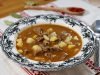
Traditional Croatian gulas
Ingredients
- 1 kg beef (from chuck or for stewing) (2.2 lbs)
- 2 tbsp lard/vegetable oil
- 1 tsp caraway seeds
- 5 medium onions (chopped)
- salt and black pepper to taste
- 2-3 tsp sweet paprika
- 1 tsp hot paprika
- 3-4 bay leaves
- 400 ml dry white wine (2 cups)
- 4 large potatoes (cubed)
- 1 tbsp tomato paste
- water/beef stock
- 50 ml orange juice (optional) (1/4 cup)
Instructions
Choosing the right type of gulas meat
- The best cut of beef for stews is beef chuck. It is fattier and more succulent than beef round so whenever you get a chance, get beef chuck. When preparing meat for stews, don't be scared of added fat. Remove the sinew but leave the fat – this will give a heftier and deeper gusto to your goulash.
- Cut the meat into chunks and remove any remaining sinew. In a heavy-bottomed pan sear the meat in lard or oil, making sure it browns on all sides. Scoop it out of the pan.

- Throw the caraway seeds in the same fat and fry for 1-2 minutes or until they begin to pop.

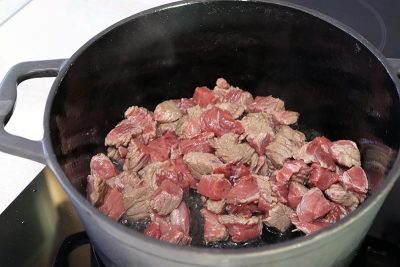
Sautéing the onion properly
- Sauté the onions in the same fat until translucent. Sprinkle on some salt and cook for 10-15 on medium heat. Add a splash of water if they start to stick.
- When the onion becomes slightly mushy, put the meat back in and cook for 30 minutes, gradually adding water or beef stock.

Seasoning the gulas
- Season with salt, pepper and both types of paprika. Add bay leaves. Pour the wine in and simmer without the lid for 5-10 minutes so the alcohol can evaporate.
- Add the potatoes and pour in enough water or stock to generously cover the contents (reaching about 3 cm (1 in) above). Put the lid on and simmer on low heat for 1.5 hours or until the potatoes are soft and crumbly.
- At the very end, add tomato paste and stir to combine.


Superb! Just made this for dinner – I’m suffering a bit of a cold, and this is the best medicine
You made the right choice of food. I hope you feel better soon.