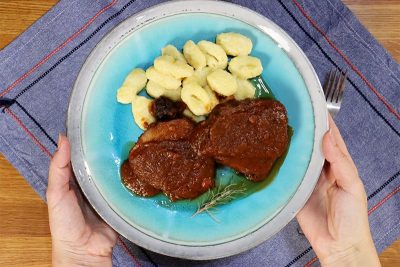
What is Dalmatinska Pašticada?
Pašticada is the crown jewel of Dalmatian cuisine. So, if you want to savor the authentic flavors of the Croatian coast, make sure you include this regal dish on your menu.
A festive occasion in Dalmatia is never complete without this beloved favorite. And although Pašticada recipe varies from cook to cook, one thing stands clear: this is the most tender and aromatic braised beef you will ever taste.

When you first indulge in Pašticada, you'll be taken by its bold flavors and fit-for-king presentation. But regardless of its present-day sophistication, Dalmatinska Pasticada is a meal born out of necessity and scarcity.
It is most probably related to the Veronese pastissada de caval, a meal dating back to the 5th century. Here is a bizarre story of how the first Pasticada recipe, a traditional Dalmatian pot roast, was concocted. It was during the reign of Theodoric, king of the Ostrogoths. After defeating the enemy on the battlefield, he allegedly allowed his soldiers to eat the flesh of killed horses. The meat had to be generously marinated in wine and spices to be edible and tasty.
Don't worry - we don't braise horse meat anymore. Dalmatinska Pasticada recipe has evolved since then and we now enjoy a tender cut of beef in our pot.
Ingredients You'll Need For Pasticada Recipe
Your Pašticada shopping list can seem long. But let's divide the ingredients into categories, and it will feel less daunting. First comes the meat, and this includes beef and pancetta. Next are the vegetables that create the bulk of the sauce. Finally, we need lots of spices, herbs, and wine to make the best marinade.
Beef
Choosing the right cut of beef is paramount for Pasticada recipe. The best choice is the beef round - the cut consisting of the rear leg and rump. But this is not where the story ends.
We have top and bottom beef round, so which should you choose? Always get the top round. This part comes from the inside of the leg, so it's also called beef inside round or, in the UK, beef silverside.

Comparatively speaking, the top round is more tender than the bottom round but still tougher than sirloin or rib-eye steak. But this is not a deal-breaker here. We are braising the beef, not grilling it. The right cooking technique can make any meat melt-in-the-mouth tender.
If you're buying beef for the Pasticada recipe in Croatia, ask the butcher for the cut called ruža. They will smile because they know what you're cooking.
Let's move to the pancetta. To dress the beef with pancetta correctly, it's best to get a slab of pancetta that you can cut yourself. Don't get streaky bacon or what the British call rashers. You need pancetta chunks the same size as a clove of garlic. So, even pancetta bits won't do - they are too small.
Get a slab of pancetta about 3 cm (1 in) thick and chop it up into thumb-sized bits. The recipe below explains why.
Ultimate cookbook of traditional savory Croatian Dishes
This glossy, full color edition boasts: 100 step-by-step recipes, 386 pages, 700 images & expert cooking tips

Vegetables For Sautéing
Pasticada sauce is a flavor bomb. But its dense texture is just as appealing. To achieve this perfection, we need lots of onions. Old-school chefs advise using the same amount of onion as the weight of the meat to thicken the sauce. I find this a bit too overpowering, so I cut the amount of the onions in half. It's a perfect ratio.
Celeriac or celery root is a great addition to the pot, adding more body and a hint of tanginess. You can finely chop it or grate it. I don't use carrots because they tip the aroma too much to the sweet side.
Another addition that makes the Pasticada sauce so unique is the dry fruit. I love to use prunes: they are well-balanced with sweet and sour notes. You could add dried figs, but I find them a bit too sweet.

With the final addition of the tomato paste, the concentrated one from a tube, your Pasticada sauce becomes a symphony of flavors.
Spices And Herbs For A Bold Flavor
To enhance the flavor of our beef stew, we need Croatian herbs and spices, especially those native to the Dalmatian coast. These aromatics work their magic at a specific order.
First, they seep into the meat as it marinates. Garlic, cloves, and rosemary are essential in the red wine marinade.

We'll add more ingredients as we sauté the Pašticada later. For example, salt and pepper to taste, bay leaf, pinch of nutmeg, and, finally, prunes. You can also sprinkle freshly chopped parsley leaves for serving.
Did you know that prunes are called dried plums in Croatia? This is just a hint if you need to ask for them in Croatian.
Wine And Prošek
Wine plays an important role in the Pašticada sauce. Red wine in the marinade tenderizes the meat. It's wine's acidity that does this trick, which is why we also add wine vinegar. You can substitute it with apple cider vinegar, too.
Prošek (sweet dessert wine), on the other hand, gives the dish complexity as it simmers. Just before you're done cooking, do a taste test. Use Prošek or the marinada liquid to balance the sweet and sour notes.
Tips For The Perfect Pasticada Recipe
Now that you've gathered all the right ingredients, here are some valuable tips that will make your 'Dalmatian pot roast' a success.
Mastering The Marinade
The first rule of marinada is using a glass or ceramic bowl. Plastic is porous, especially when holding wine and vinegar overnight. Don't make a mistake of adding salt at this stage. Our goal is to tenderize the meat with the wine's acidity, and the salt just gets in the way.
When you dress the meat and place it in the bowl, marinada probably won't cover it completely. It's essential to flip the meat halfway through the marinating process.
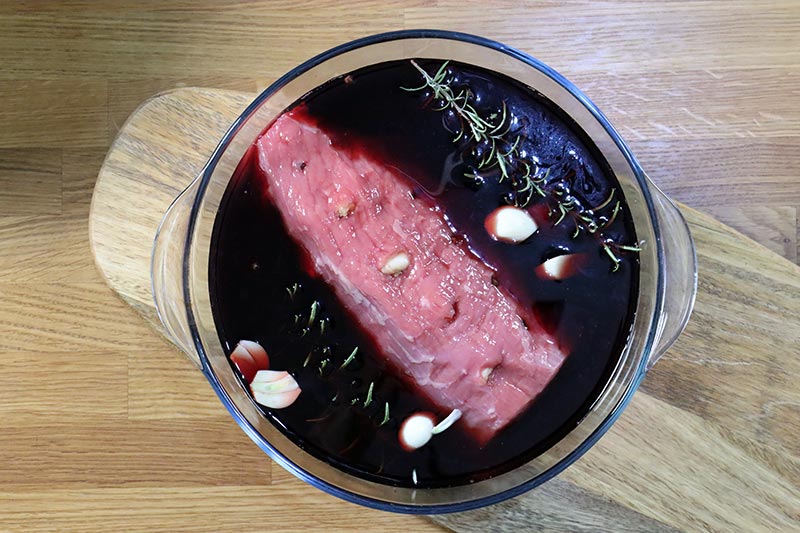
Think of the marinada as the essential cooking step. It's not an extra, so when you're planning your meal, start making it the night before your special occasion.
Achieving The Perfect Browning
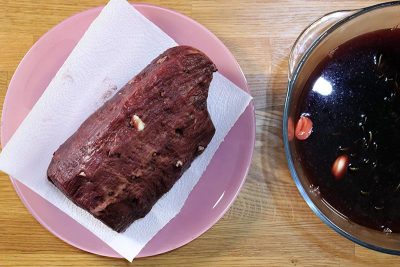
Pašticada meat is velvety soft because we take steps at each stage of the cooking. Browning is one of them. To do it right, remove the meat from the marinade and pat it dry, preferably using a paper towel.

Use a heavy-bottomed pan that distributes the heat evenly. The best fat for browning has a high smoke point. In Croatia, we use pork lard when we need to fry at high temperatures for an extended time.
Be patient and don't rush this stage. It can take about 15 minutes to brown the entire surface of the meat.
Slow-Cooking For Tender Beef
The final cooking technique that makes Pasticada meat so soft is braising. You need low, constant heat that keeps the pot on a light simmer. Even onions need this ideal simmering temperature to release their sweetness.
Also, remember to put the lid on in the first stage of braising. This helps the meat soak up the maximum flavor. Once you slice the meat and place it back into the pot, braise with the lid off.

Braising takes a little over two hours, so you can put your feet up while the pot does the heavy lifting. But don't rest too much. There's njoki side dish to be made, and the home version is always the best.
Ideal Side Dishes
Theoretically, any pasta could work with this traditional recipe. But, to the Dalmatians, Pašticada is not complete without gnocchi (njoki).
Homemade Gnocchi
Stay true to the Croatian cooking and serve this dish with a side of gnocchi. You can find this type of potato dough pasta in the fridge or freezer sections of your supermarket.
The homemade njoki are particularly welcome here. These little darlings are like soft, airy clouds, balancing out the heaviness of the sauce. Aside from tasting great, they boast an attractive shape, with a little dent in the middle to hold more sauce!

Pasta Variations
If you want pasta that is more chewy, use any store-bought variety, sush as penne. In Dubrovnik, for example, this dish comes with a side of makaruli. This is our homemade version of the maccheroni or macaroni pasta.
Equally chewy and tasty are homemade pljukanci, also a great idea for a pasta side.
Serving Suggestions And Wine Pairings
Pašticada is always served as a main course. We arrange slices of stewed beef and gnocchi side by side and top them with the sauce. You'll probably be treated to this traditional Dalmatian specialty when someone is celebrating a special occasion. This can be a wedding, or a christening or confirmation of a child.
If you want to celebrate a birthday or anniversary and eat Pasticada in a restaurant, learn how to order it in Croatian. Ask for Dalmatinska Pašticada s njokima.
When it comes to wine, don't wander off from the Adriatic Sea and traditional Dalmatian vineyards. Pick a full-bodied wine with lots of tannins from southern Dalmatia. My two choices are the fragrant Dingač from Skaramuća winery or the bold Babić from Gracin winery.
Pasticada Frequently Asked Questions
Q: What is the best type of meat for Pašticada recipe? Topside, rump, sirloin...
A: The dish comes out best with the cut of beef known as top round (or inside round) in the US and silverside in the UK. Some cooks also use cuts such as bottom round, rump, or loin, but I advise against these.
Q: How long does it take to cook Dalmatinska Pašticada?
A: Pašticada needs to be cooked for around 3-4 hours until the meat is very tender and flavorful. This includes browning and braising on low heat. But you also need to account for the overnight marinade. So, start prepping your dish the day before you want to serve it.
Q: What is Lazna Pasticada?
A: Lažna means fake and it refers to the cooking process that shortcuts the otherwise slow-cooking on low heat. For this Pasticada recipe, we use beef cut from the sirloin, rump, or even flank, as long as the steak is not thicker than 1 cm. Ask for a frying steak or a minute steak. We make the Pasticada sauce in the same way but we save time on marinating and braising a large piece of meat.
Q: What to do with leftover Pasticada?
A: Store Pasticada meat and sauce in the fridge for 2-3 days but boil pasta from fresh. You can also freeze Pašticada for up to 3 months.
Step-by-Step Guide to Perfect Dalmatinska Pašticada
Dalmatinska Pasticada
Ingredients
- 1 kg beef (top round)
For the marinade
- 4-5 cloves garlic
- 50 g pancetta
- 5-6 cloves
- 100 ml wine vinegar
- 1 l red wine
- 2 sprigs of rosemary
For the Pasticada
- 2 tbsp lard
- 500 g onion (finely chopped)
- 150 g celeriac (celery root) (chopped)
- 200 ml water
- Salt and pepper (to taste)
- 1 tsp nutmeg
- 100 ml Prošek (sweet dessert wine)
- 100 ml marinade liquid
- 2 tbsp tomato paste
- 10 prunes (divided)
- 1 sprig of rosemary
- 500 g fresh gnocchi
Instructions
- Pašticada meat must be from the hind part of the cow. The best cut is top round. Clean the meat of any sinew and pat it dry.


Make the marinade
- Peel and slice each garlic clove into three pieces. Chop the pancetta into chunks of similar size. Drive a knife into the meat at a 30-degree angle, making small pockets a few centimeters (1 in) apart. Fill the incisions with garlic, pancetta slices, and cloves.
- Place the meat into a glass or ceramic pot. Pour in the wine vinegar and wine. Then, add rosemary sprigs and any remaining garlic. Avoid plastic containers because acidity might erode them.
- Leave to marinate overnight, but turn the meat over once after a few hours so it soaks up the juices evenly.


Brown and braise the meat
- Choose a heavy-bottomed pan and heat the lard on medium-high heat. Remove the meat from the marinade and pat it dry with a paper towel. Place it on the hot lard and brown the meat on all sides – this will take about 10-15 minutes.
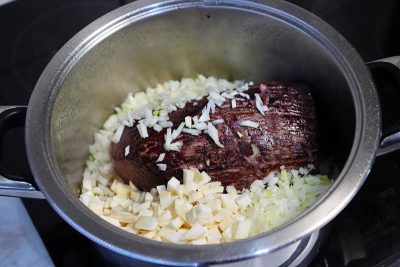
- Add the onion and celeriac into the pan and arrange them around the meat. Season with salt and cover. Cook on medium heat and wait for the onion to release its juices.
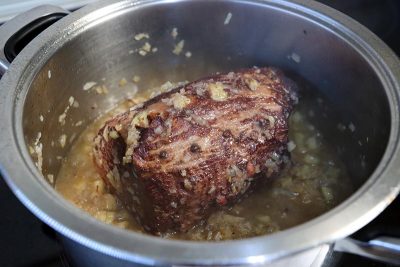
- Season with pepper and nutmeg. Add a splash of water and simmer on low heat for 30-40 minutes until the onion turns mushy.

Make the sauce
- Pour in the dessert wine and marinade, and add the tomato paste and half of the prunes. The liquid should cover half the meat's height. Cook on low for 1 hour, covered, until the meat is tender.
- Remove the meat and place it on a cutting board. Cut it into 1.5 cm (0.5-in) thick slices.
- Blitz the sauce with an immersion blender and adjust the seasoning to taste, Experiment with more salt, more dessert wine (for sweetness) and/or more marinade (for acidity).
- Add the meat back to the pot, inside the sauce. Throw in the rest of the prunes and more rosemary, and cook on low heat for 30 minutes.
- Serve with homemade njoki.